Corners are the weird, forgotten spots of the backyard.
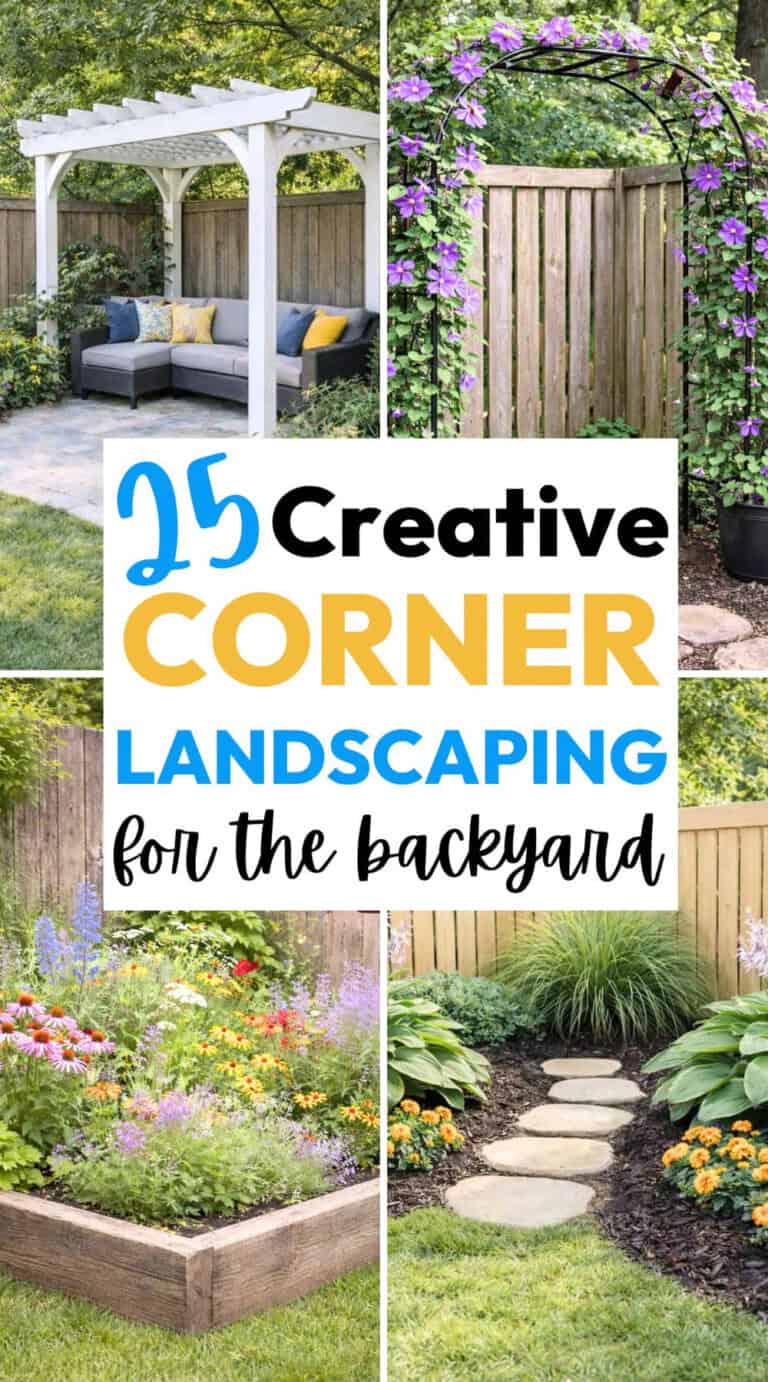
They’re too small for furniture, too awkward for a big project, and somehow always the place things get dumped and then ignored.
But those corners are actually the easiest places to turn into something cozy without redoing the whole yard or spending a fortune!
A few simple changes can turn an empty corner into a spot that feels intentional, calm, and actually usable.
These ideas focus on low effort, flexible setups that work with what’s already there.
Nothing complicated, nothing precious, just smart ways to make those overlooked corners feel like part of the backyard again.
1. Curved Stone Path Corner
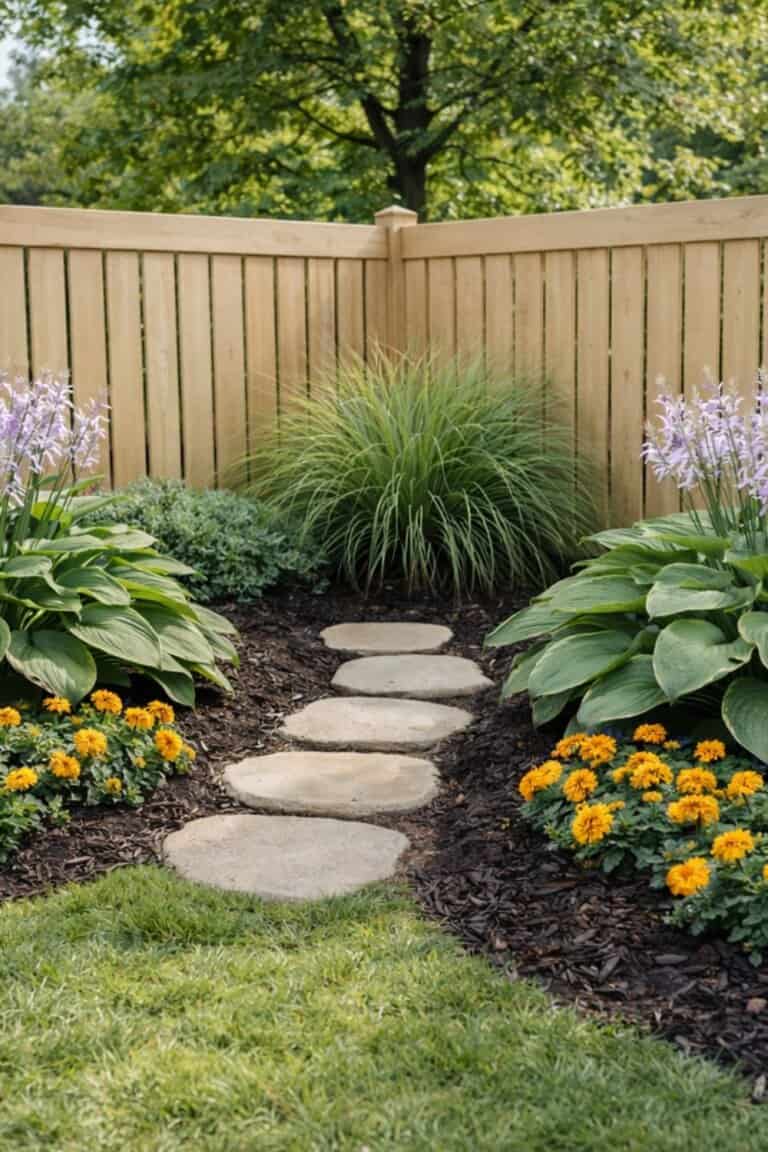
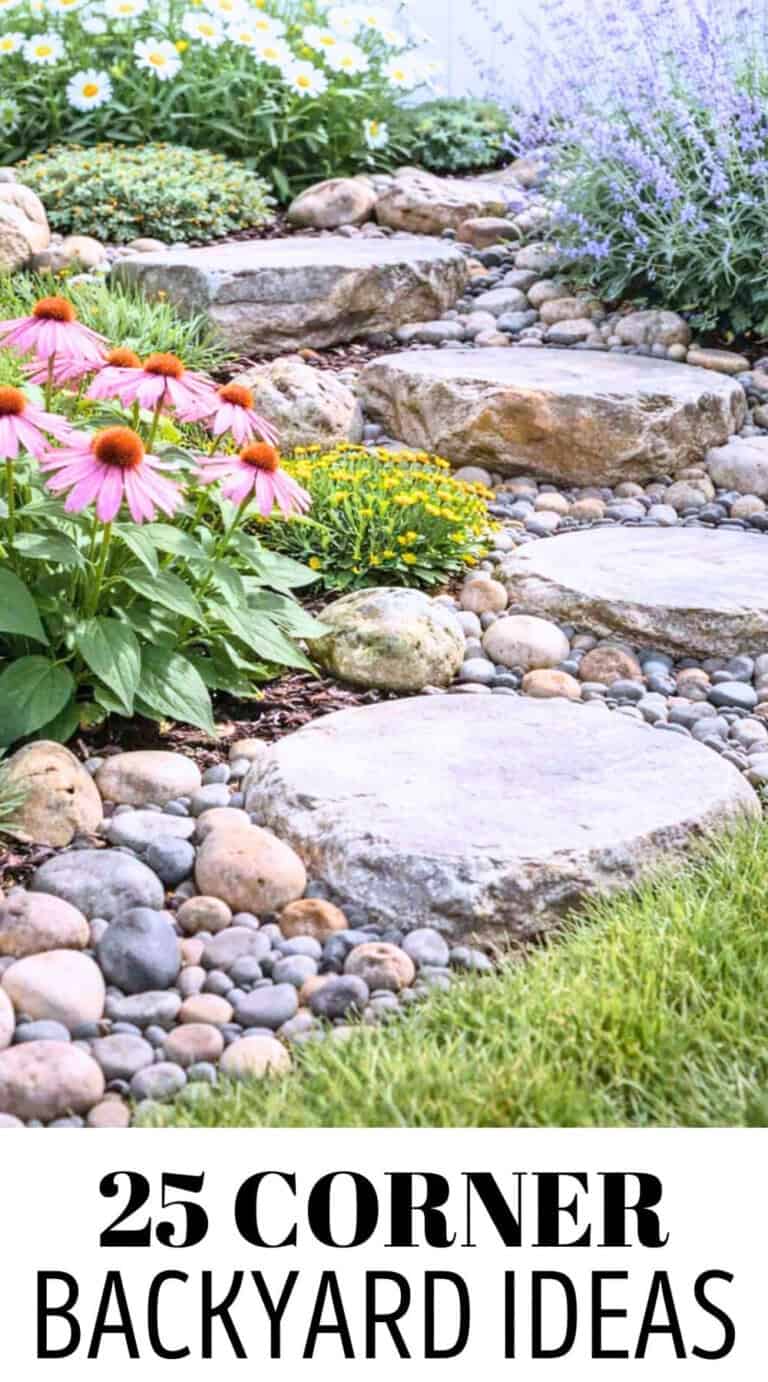
A curved stone path works well in a corner because it pulls your eye through the space instead of letting it stop abruptly.
Even a short run of stones can make an awkward corner feel like it has a purpose!
The path doesn’t need to lead anywhere specific to work, it just needs a gentle curve that softens the edges.
This is an easy setup using stepping stones, leftover pavers, or even flat rocks gathered over time.
Spacing them a little unevenly keeps it from looking too planned or stiff.
Filling the gaps with gravel or mulch helps everything settle in visually without much effort.
A small plant, lantern, or low shrub at the end of the curve gives the corner a natural stopping point and makes the space feel finished.
2. Layered Raised Bed Nook
A layered raised bed works well in a corner because it lets you stack visual interest instead of spreading out.
Using two or three beds at different heights makes the space feel full without taking up much room.
It’s also a good way to deal with uneven ground or corners that never seem level.
This setup doesn’t need to be fancy or perfectly matched.
Mix wood, stone, or metal beds if that’s what you have, and let them feel a little mismatched on purpose.
And it’s an easy spot to rotate plants through the seasons or throw in whatever needs a home that year.
The layers do most of the work, even when the plants aren’t thriving.
3. Corner Pergola Retreat
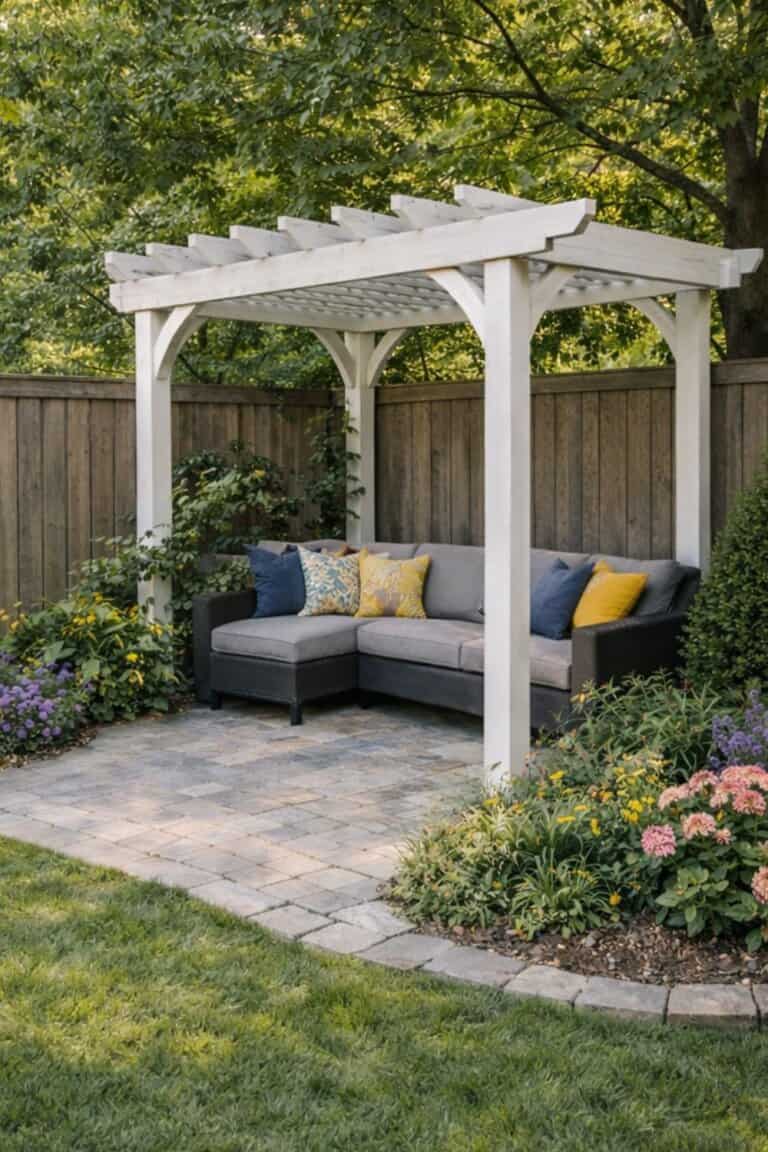
A small pergola tucked into a corner instantly gives the backyard a sense of structure.
It’s a nice way to define the space without closing it in, which is helpful when the rest of the yard feels open or unfinished.
Even a simple pergola kit can make the corner feel like a destination.
This works best when it’s kept simple, with one chair, a small table, or even just a hanging chair underneath.
And you don’t need to fully furnish it for it to feel useful!
A little shade and a clear boundary already change how the space feels.
Add climbing plants over time or leave it bare and let string lights do the work.
Either way, the corner feels calmer just by being framed.
4. Tall Ornamental Grass Feature
Tall ornamental grasses are an easy win for awkward corners because they add height without feeling heavy.
They move with the wind, which keeps the space from feeling static or boxed in…and one or two clumps are usually enough.
This is a good option if you don’t want to commit to constant maintenance or shaping.
Grasses don’t really care if the corner gets ignored for a week or two.
They also help soften fences or walls that feel a little harsh.
Planting them in a simple mulch bed keeps the look clean while still feeling relaxed.
The texture does the talking without needing much else around it.
5. Tiered Rock Garden
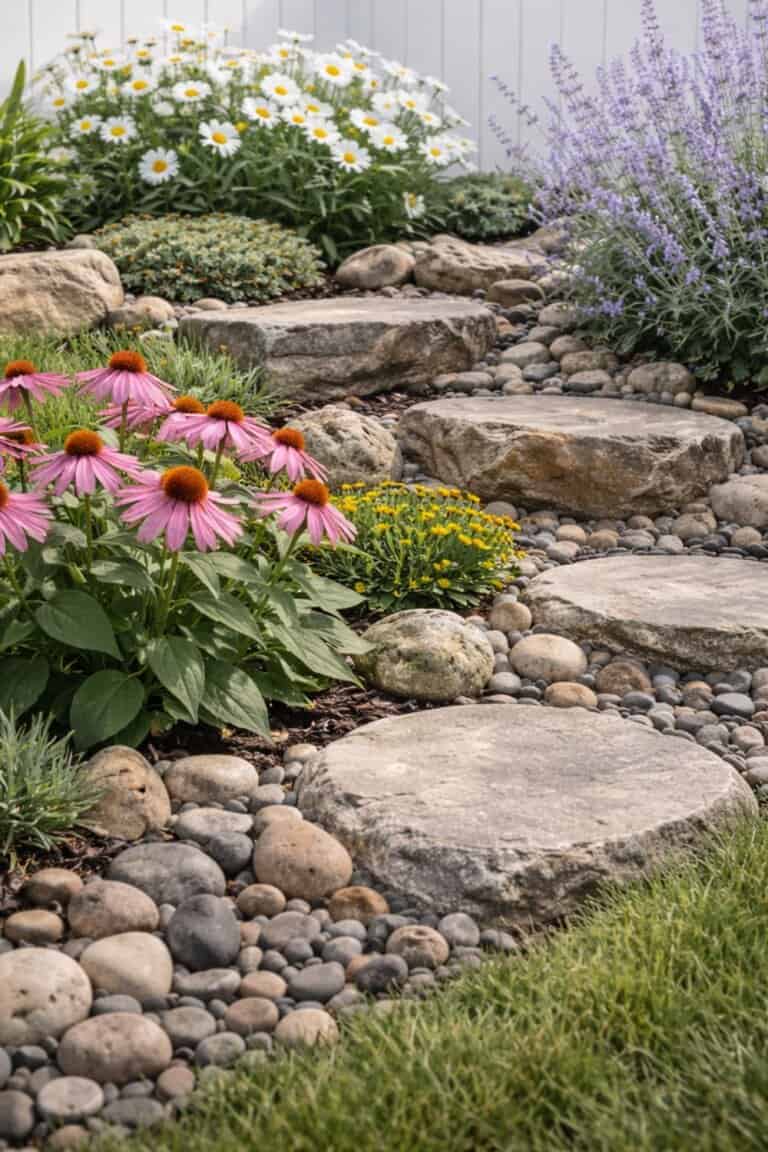
A tiered rock garden works especially well in corners that slope or never quite cooperate.
Instead of fighting the uneven ground, this setup uses it to create natural levels.
The result feels grounded and a little rugged in a good way.
This doesn’t require precise stacking or decorative stones, so a mix of larger rocks with gravel and smaller plants tucked in looks more natural and less forced.
Succulents, ground covers, or hardy perennials all fit here.
It’s the kind of corner that looks better as it settles and weathers and even when plants thin out, the structure still holds the space together.
6. Small Tree With Circular Mulch Bed
A small tree in the corner gives the yard an anchor point without overpowering the space.
The circular mulch bed helps it feel intentional instead of like a tree that just ended up there.
It also creates a natural pause in the landscape that makes the corner feel calmer.
This works best with a tree that stays manageable and doesn’t drop a constant mess.
The mulch ring doesn’t have to be perfect, just wide enough to define the space and keep grass from creeping in.
And you can edge it with stone, brick, or leave it soft and organic.
It’s an easy setup that looks good even before the tree fills out.
As it grows, the corner slowly improves without needing much effort.
7. Corner Water Fountain Accent
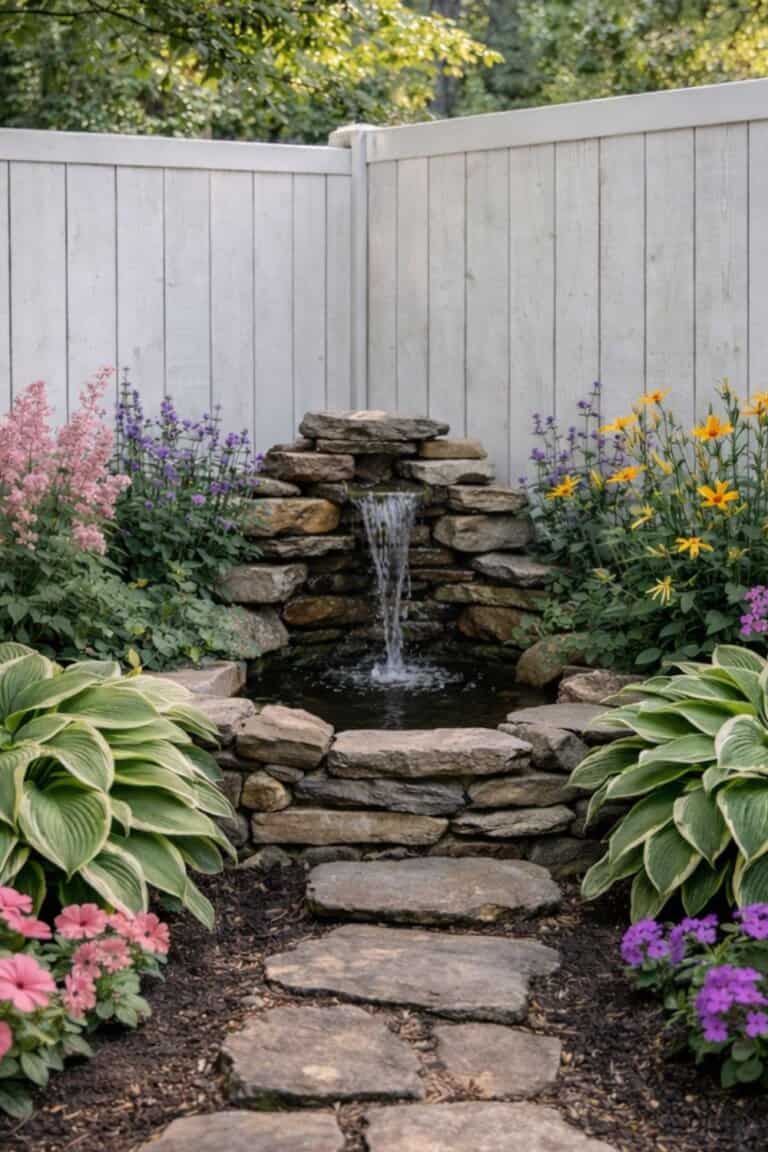
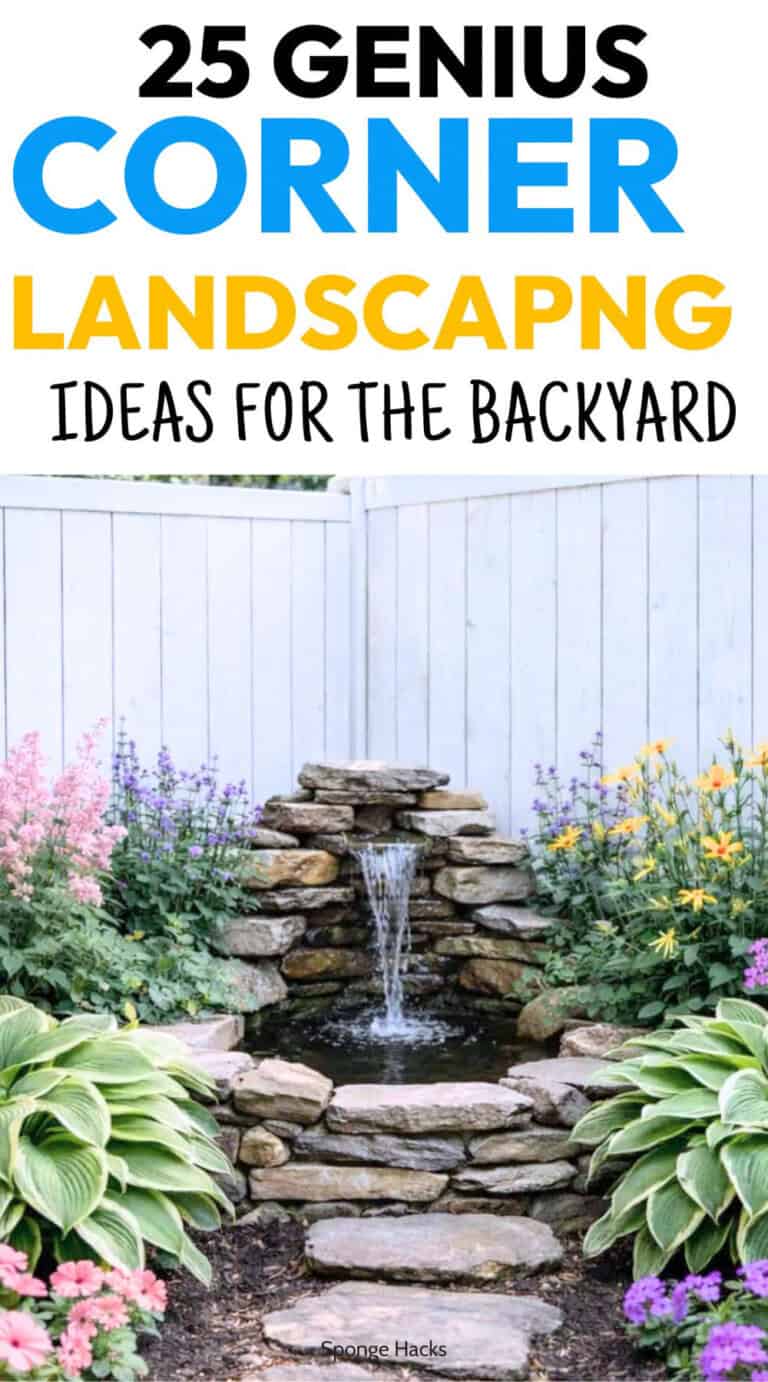
A small water feature instantly changes how a corner feels, even if everything else stays the same.
So relaxing!
You don’t need a pond or anything elaborate for it to work.
A simple fountain or bubbling basin is enough to give the corner a focal point.
Plus, these features work well tucked into a corner because they don’t interrupt foot traffic.
Surrounding it with a few plants or stones helps it blend in instead of standing out awkwardly.
8. Built-In Corner Bench Garden
A built-in bench makes a corner feel useful instead of decorative.
It turns unused space into somewhere you can actually sit, even if it’s just for a few minutes.
Corners are perfect for this because the walls or fences already create a sense of enclosure.
The bench doesn’t need to be custom or complicated.
For example, a simple L-shape or straight bench with planters nearby does the job.
And adding cushions or pillows softens the space without committing to full outdoor furniture.
It’s a good solution for small yards where seating feels like it’s always in the way.
The corner keeps everything contained and out of the flow.
9. Vertical Garden Wall
A vertical garden works well in corners where there’s more wall than ground to work with.
It adds greenery without taking up precious floor space.
This is especially helpful if the rest of the yard already feels crowded.
You can use wall planters, hanging pockets, or even repurposed shelving.
Just remember that it doesn’t need to be packed full to look good, a few plants spaced out still make an impact.
The height draws your eye up, which makes the corner feel larger.
10. Wildflower Corner Patch
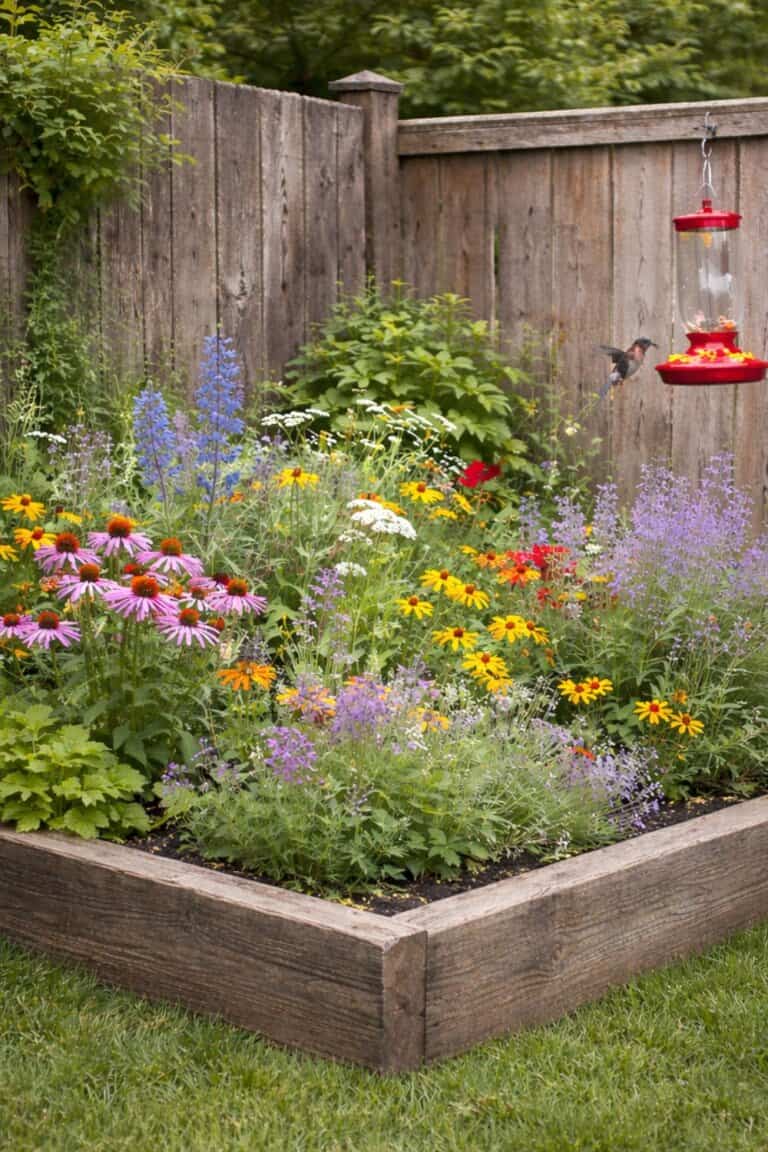
A wildflower patch is a low pressure way to deal with a corner that never behaves.
Instead of forcing it to look tidy, this lets it be a little messy on purpose!
The result feels relaxed and natural.
This works well in corners that get decent sun and don’t see much foot traffic.
Scatter seeds, water them in, and let things sort themselves out.
The mix will change throughout the season, which keeps the space interesting.
It’s the kind of corner that looks different every year and still works.
Even when it’s not in full bloom, it feels intentional rather than neglected.
11. Corner Fire Pit Area
A fire pit tucked into a corner helps contain the space and makes it feel more intimate.
Instead of floating awkwardly in the middle of the yard, the corner placement gives it a natural boundary.
It feels cozier by default, even before you add seating.
And this doesn’t have to be a permanent setup!
A portable fire pit with a few chairs or stone blocks around it works just as well.
The key is keeping the layout simple so it doesn’t take over the yard.
Adding gravel or pavers underfoot helps define the area and keeps it from feeling temporary.
The corner ends up feeling like a go to spot instead of an afterthought.
12. Decorative Gravel and Boulder Mix
Gravel and boulders are an easy fix for corners where grass refuses to grow.
Instead of fighting the spot, this setup leans into it.
The mix of textures makes the corner feel intentional without needing constant care.
You don’t need perfectly matched stones for this to work.
A few larger boulders spaced casually with gravel filling the gaps looks more natural than something overly planned.
This also helps with drainage in tricky corners, so bonus!
Oh, and adding one or two plants keeps it from feeling too stark.
The stones do most of the visual work, even when the plants are small.
13. Garden Arch With Climbing Vines
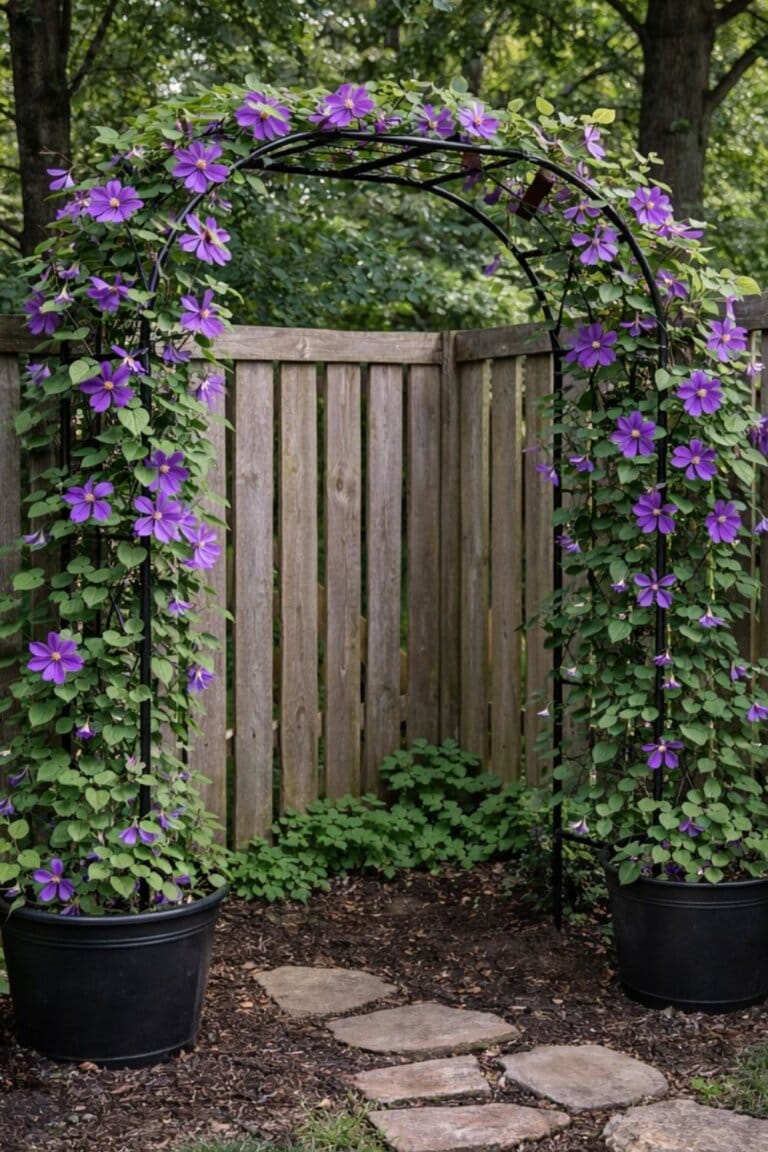
A garden arch gives a corner height and structure without blocking it off.
It frames the space and draws attention upward, which helps awkward corners feel more finished.
Even when the vines are young, the shape alone makes an impact.
This works well as a visual feature rather than an actual walkway since the arch can sit slightly angled in the corner so it feels decorative instead of functional.
Over time, climbing plants soften the lines and add texture.
It’s a slow burn kind of setup that improves every season.
14. Corner Herb Spiral
A herb spiral fits nicely into a corner because it uses vertical space instead of spreading out.
The shape makes a small area feel full without crowding it.
It’s also surprisingly forgiving if it’s not built perfectly so no need to stress over that.
This can be made with stones, bricks, or whatever materials you already have.
The spiral naturally creates different sun and moisture zones, which helps herbs thrive without much planning.
I love this idea because it’s functional but still looks decorative!
Even when herbs get overgrown or patchy, the structure holds the space together.
The corner stays useful without constant upkeep.
15. Statement Planter Cluster
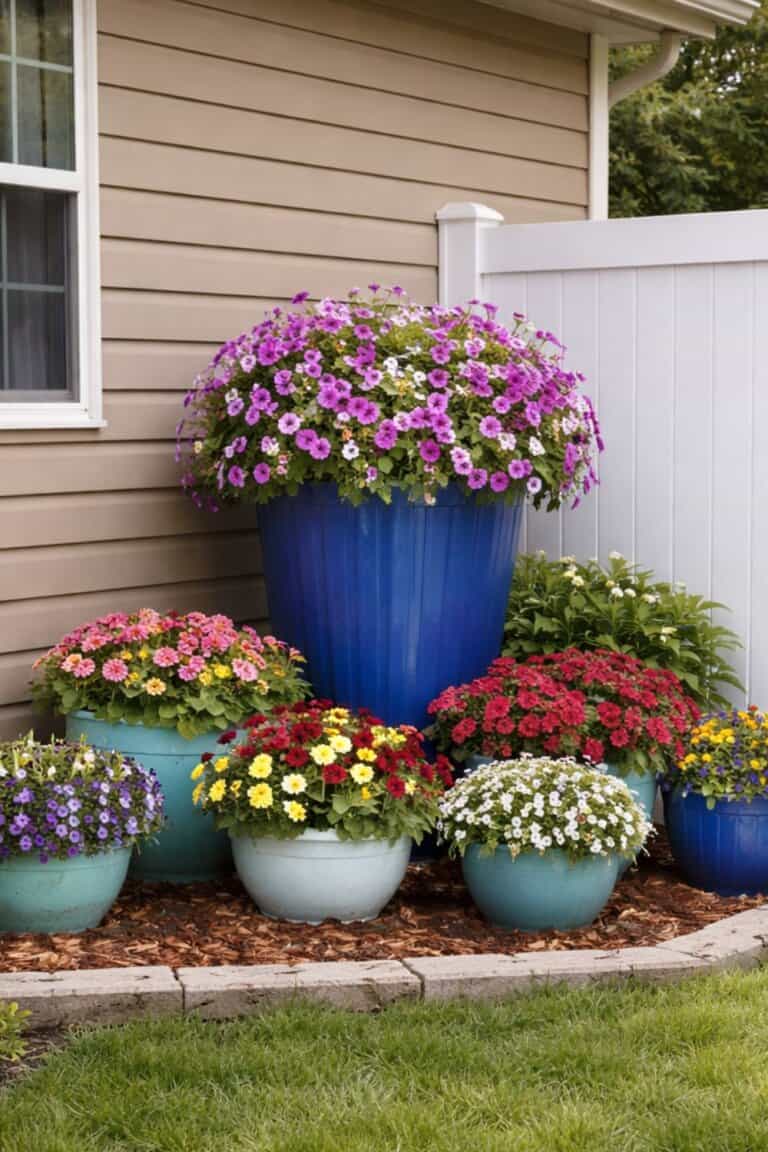
A cluster of planters is an easy way to dress up a corner without committing to permanent changes.
Grouping different sizes together creates visual weight that a single pot can’t manage and the corner instantly feels fuller.
This works best when the planters share a loose color palette but not identical shapes.
Mixing heights keeps the eye moving and makes the setup feel layered.
You can rearrange them whenever things start to feel stale.
It’s a flexible option for renters or anyone who likes to switch things up.
The corner stays interesting without locking you into one look.
16. Zen Sand and Stone Corner
A sand and stone corner works well when you want something calm without adding more plants to keep alive.
It gives the eye a place to rest, especially in yards that already feel busy.
Corners are ideal for this because they naturally feel tucked away.
This doesn’t have to follow strict rules or look like a formal zen garden.
A small area of sand or fine gravel with a few larger stones placed casually is enough.
Let it feel loose and imperfect so it blends into the rest of the yard.
It’s a low effort option that still feels intentional and even when it’s left alone for weeks, the corner holds its shape.
17. Bird Bath and Pollinator Corner
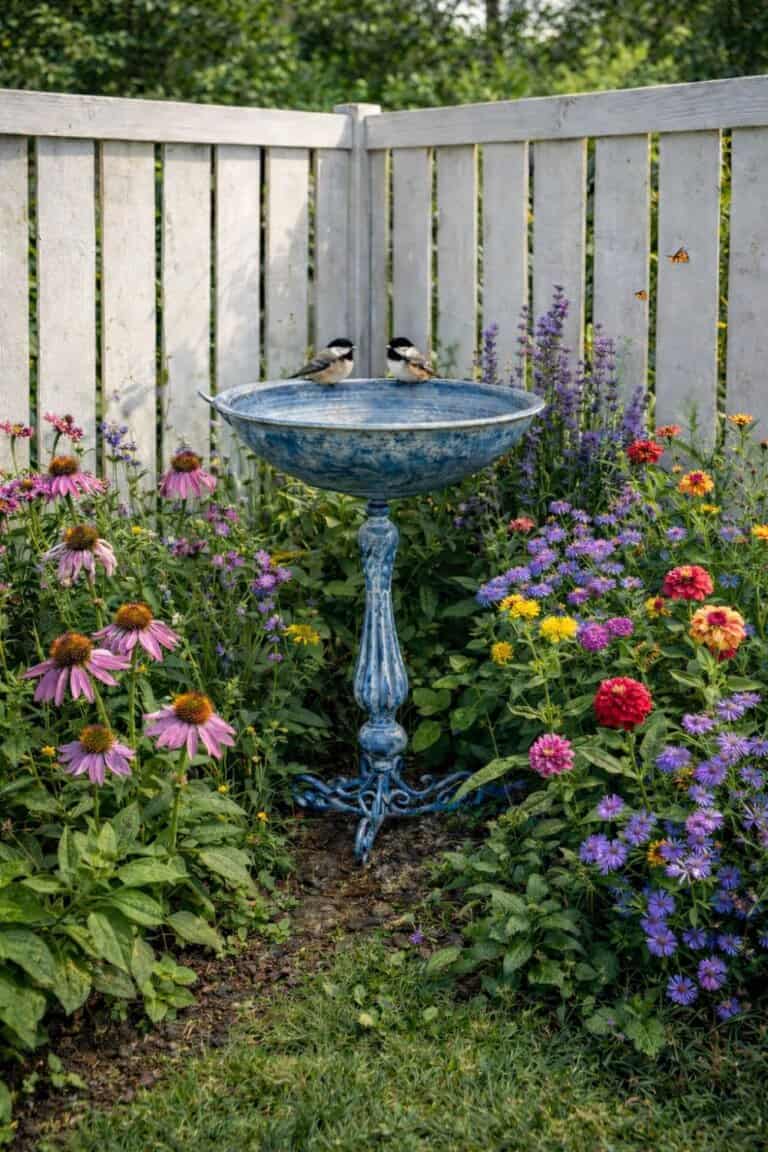
A bird bath turns a quiet corner into something that actually moves and changes throughout the day.
Birds, bees, and butterflies give the space a lived in feel and are just, well, super cool to have in your yard.
This works best when paired with a few pollinator friendly plants around the base.
You don’t need a full garden, just enough to make the corner feel supportive rather than bare.
The bath itself becomes the focal point.
It’s a simple setup that brings life into an otherwise unused area.
The corner feels softer and more connected to the rest of the yard.
18. Corner Trellis With Flowering Plants
A trellis adds height and structure to a corner without taking up much ground space.
It’s especially useful against fences or walls that feel flat.
The vertical element makes the corner feel finished faster.
Flowering vines or climbing plants soften the trellis as they grow.
Even early on, the structure alone helps define the space and over time, the corner becomes fuller without spreading outward.
This is an easy way to add interest without crowding the yard because the growth stays contained and predictable.
19. Low Hedge Framing Feature
A low hedge gives a corner a clean outline without closing it off.
It frames the space and makes whatever’s inside feel intentional.
Corners benefit from this kind of subtle structure.
This works well with simple shrubs that don’t need constant trimming.
Keeping the hedge low avoids making the corner feel boxed in and it also helps separate the corner from the rest of the yard visually.
Even when the hedge is young, the shape still reads clearly.
The space feels organized without feeling formal or bougie.
20. Sculptural Art Garden Corner
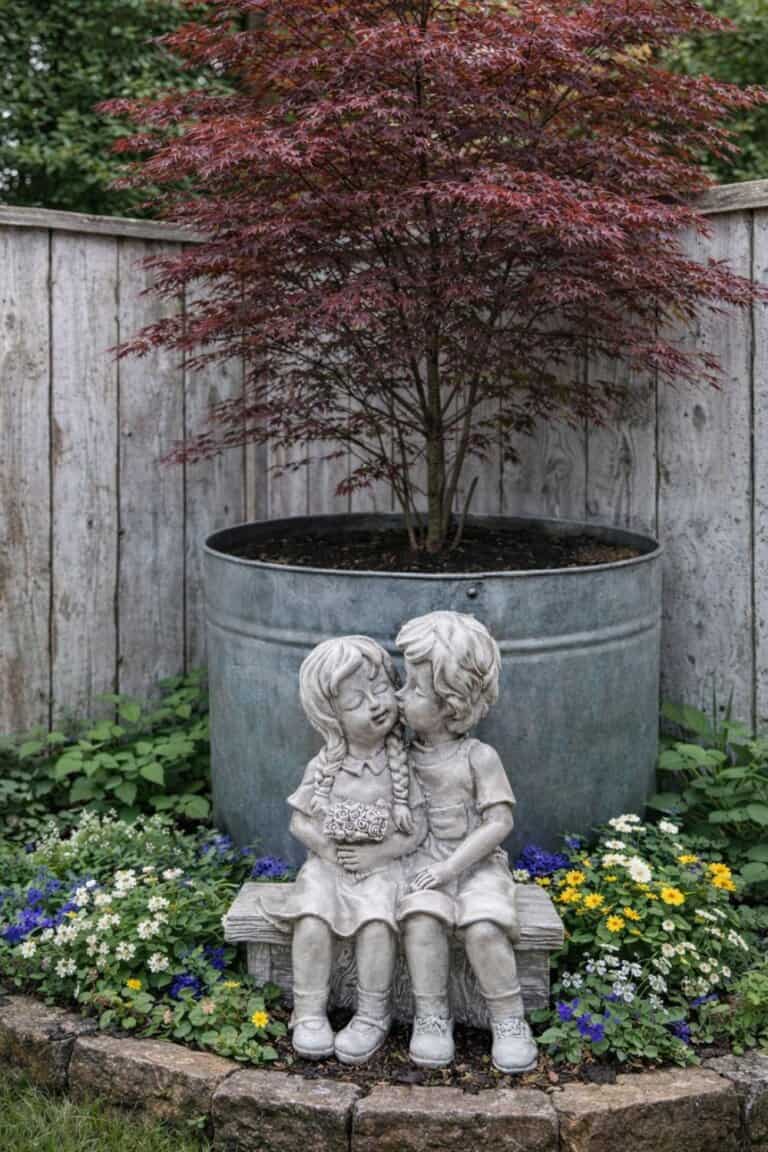
A sculptural piece gives a corner an instant focal point without adding clutter.
It shifts attention away from the shape of the yard and onto something interesting.
And corners are perfect for this because they naturally frame objects!
Just remember that the piece doesn’t need to be large or expensive.
Simple metal, stone, or wood elements work well and surrounding it with minimal plants keeps the focus clear.
21. Corner Seating With Pavers
A paver base makes corner seating feel grounded instead of temporary.
It gives chairs or a small table a clear place to live without sinking into grass or dirt.
Corners work well for this because they naturally keep furniture out of the main yard flow.
This doesn’t require a large patio or perfect spacing.
A small square or curved section of pavers is enough to define the area.
And remember that slightly uneven edges actually help it blend in better!
Once the base is there, the corner feels usable even with minimal furniture.
It becomes a spot you sit without rearranging the whole yard.
22. Shade Garden With Hostas and Ferns
A shady corner can feel like a problem until it’s treated like its own zone.
Hostas and ferns thrive in low light and fill space without much effort and their texture does most of the visual work.
This kind of garden works best when it’s kept simple.
A few repeating plants look calmer than lots of different varieties.
And mulch helps everything feel pulled together.
23. Corner Rain Garden
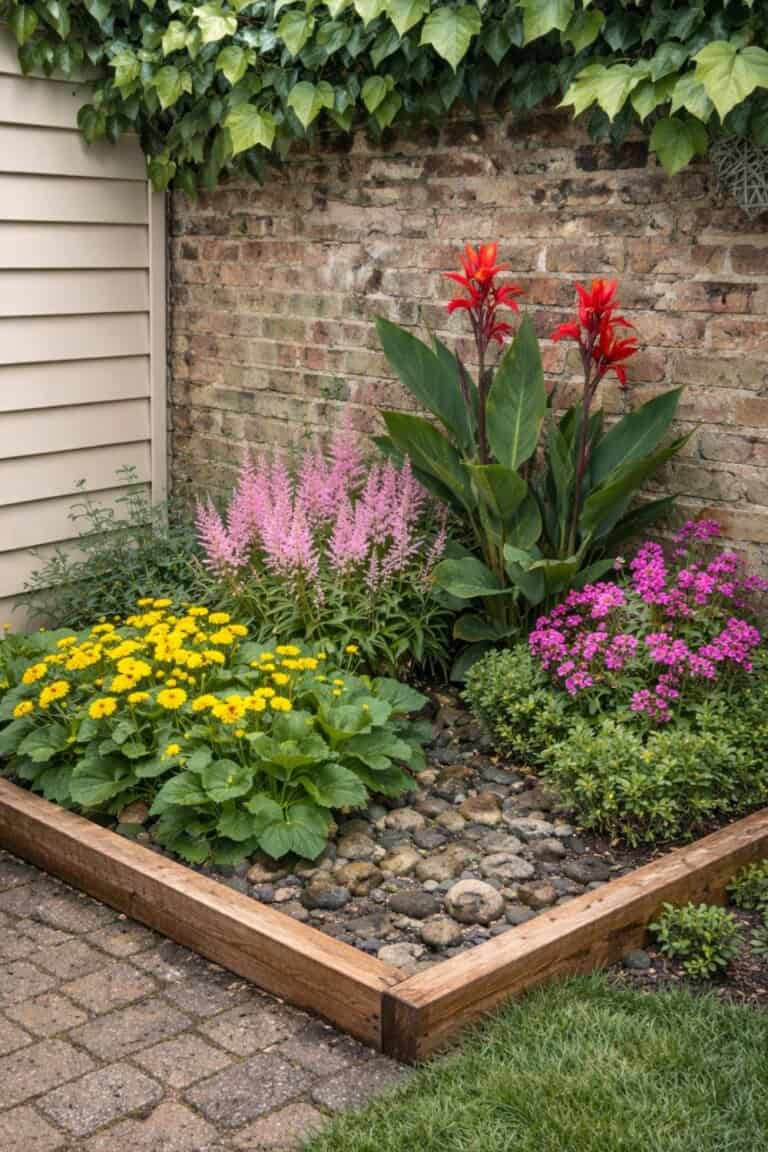
A rain garden turns a soggy corner into something useful!
Instead of fighting pooling water, this setup works with it.
Corners often collect runoff naturally, which makes them ideal for this approach.
Plants that handle moisture well do most of the work.
Once they’re established, the garden manages itself during heavy rain.
It’s a practical solution that still looks good year round and the corner stops being a problem spot.
24. Lighting-Focused Landscape Corner
Lighting alone can change how a corner feels, even if nothing else is added.
Soft lights draw attention without making the space feel busy.
It’s especially helpful in yards that disappear at night.
This can be as simple as solar stakes, string lights, or a single uplight.
Placing lights at different heights keeps it from feeling flat and the glow makes the corner feel warmer and more finished.
It’s one of the easiest upgrades with the biggest impact!
25. Cottage Garden Overflow Corner
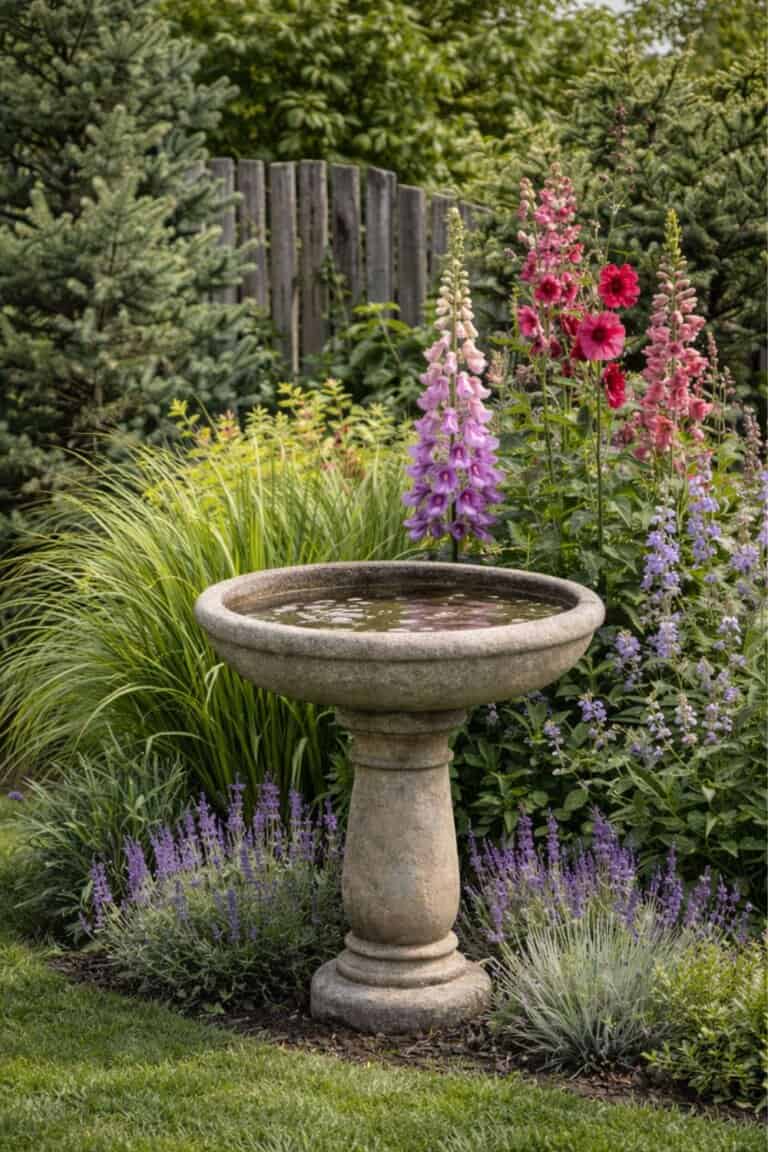
A cottage style corner works well when you want something relaxed and a little wild.
It’s perfect for using extra plants that don’t quite fit anywhere else.
The layered look feels natural in a tucked away spot.
This works best when you let things grow a bit freely.
Mixing heights, textures, and colors keeps the corner from feeling stiff because the goal is fullness, not control.
Even when it’s messy, the corner feels alive.
Small Corner Landscaping Ideas With Big Impact
Corner spaces don’t need big plans or expensive materials to feel finished.
Most of the time, it’s about giving the eye somewhere to land so the yard doesn’t feel cut off or incomplete.
A simple path, a plant with some height, or a place to sit can completely change how the space feels.
These ideas work because they fit into real life yards, not perfect ones.
You can start small, adjust as you go, and let the corner evolve without stressing about doing it “right.”
Even one small change can make the whole backyard feel calmer and more pulled together.